The Digital Euro is coming to Spain!
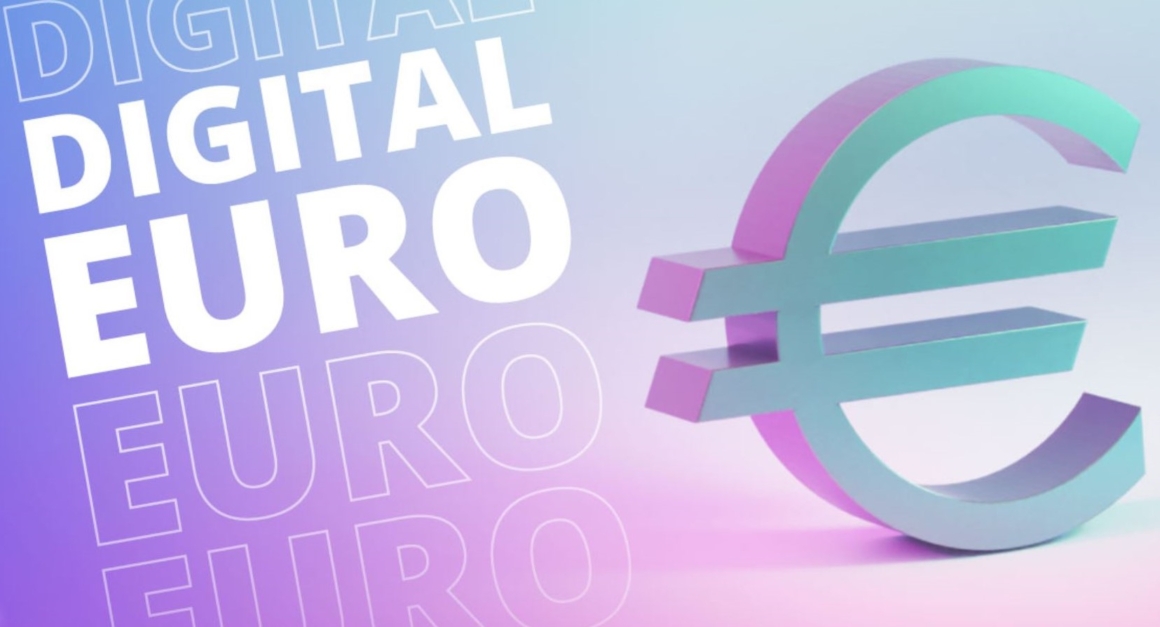
The digital euro is coming to Spain – and to the rest of the Eurozone, actually – sooner than we expected. This is very exciting news, you know? Check here to see why it matters (and boy, it does), what is it and what impact it will have on our everyday lives. So, first things first:
What is the digital euro and why is it important?
The digital euro is the digital version of the euro. It is like cash, just digital, pretty similar to the money we have in the bank. But here is the key difference, and why it matters: when you, me or anyone use the money they have in the bank to pay for, say, groceries in the nearby shop, we use a bank card (associated or not with our phone, but it is a card payment nonetheless). These bank cards are, for the most part, operated by either Visa or Mastercard – both US companies. This means that every time a European buys something European from a European vendor, an USA company takes a cut.
Moreover, this reliance on foreign companies creates a structural dependence on non-European payment infrastructures for everyday transactions. The goal, therefore, is to diminish Europe’s external dependency and to ensure that Europeans continue to have access to a European, public form of money and payment infrastructure despite what happens in the USA – or anywhere else outside Europe, for that matter.
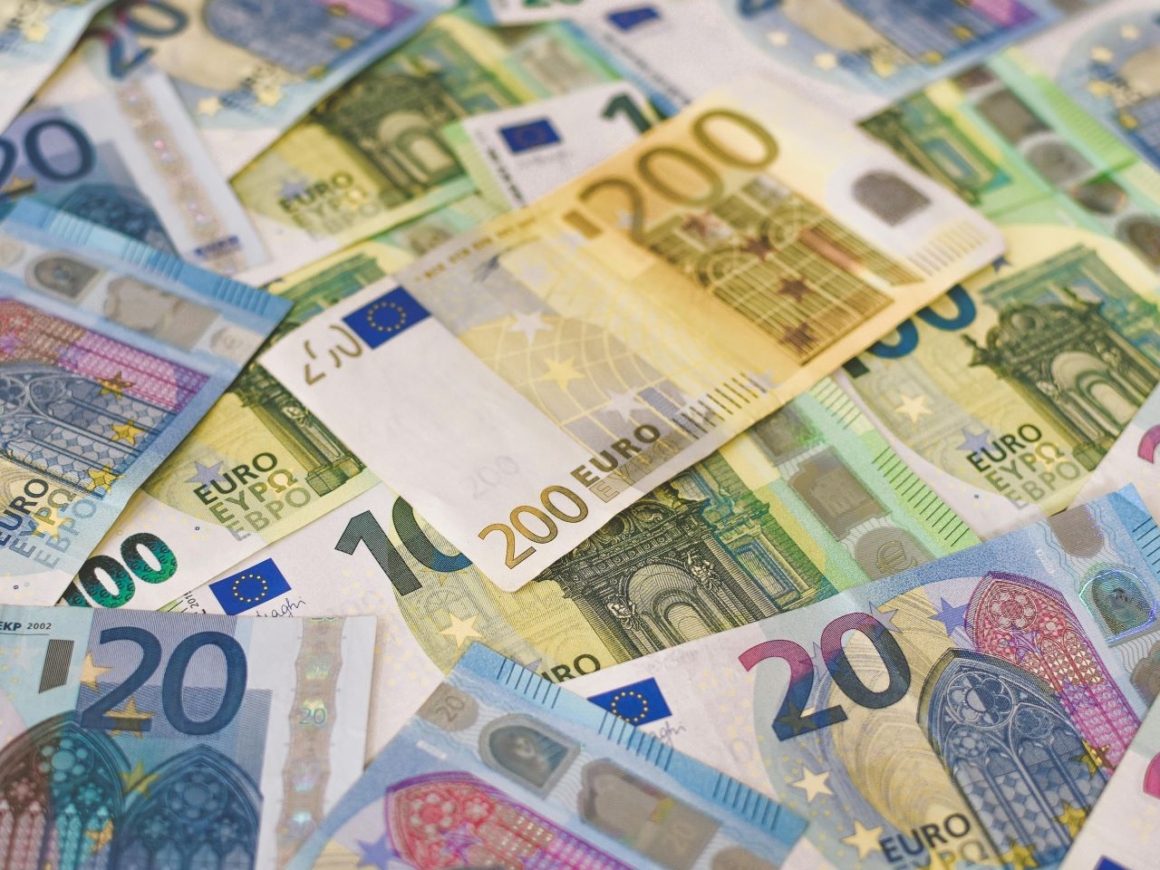
Is the digital euro another cryptocurrency, like Bitcoin?
Nope, not at all. Bitcoin, Ethereum and such are not regulated by any bank authorities (meaning, there is no one guaranteeing the value of such currencies), while the digital euro is backed by the European Central Bank (ECB). Also, the value of one digital euro will always be one euro – no currency fluctuation here beyond the euro fluctuation itself.
Is the Digital Euro being created because of Trump?
No (and yes). The project of the digital euro started in 2020 (Trump was re-elected in 2024), as a response to declining cash usage, platform monopolies in payments (Visa and Mastercard, namely) and private digital currencies (such as Bitcoin). The European Central Bank feared that private institutions and currencies could grow in relevance as a means of digital payment and wanted to ensure that the euro would remain relevant and up to date as a currency.
From 2021 to 2023, the project was in its investigative phase, studying how viable the idea was, and how to implement it. The invasion of Ukraine by Russia, in 2022, solidified the digital euro idea, as less exterior influences on the euro meant more control over sanctions on third countries.
From November 2023 to October 2025, the digital euro was in its preparation phase. During this time, the European Central Bank (ECB) and the Eurosystem developed a draft rulebook, selected potential providers, and carried out groundwork for technical infrastructure and stakeholder engagement.
Trump, therefore, is not the reason why the digital euro is being developed, but much like the invasion of Ukraine, Trump’s actions amplify the need for less dependency on foreign countries and companies. The fact that Trump is posing a threat against Denmark / Greenland (and therefore the EU and NATO itself), increases tariffs out of tantrums, supports genocidal attacks in Gaza, and sides with Putin during an active war on European territory are solid arguments for less European dependency and reliance on the US.
The European Parliament and the Council are now negotiating the final text of the digital euro together. Once they adopt the regulation, the digital euro can be issued; this legislative process is expected to be completed during 2026. And that is way we are seeing so much about the digital euro on the news lately – it is coming soon. The first (pilot) implementations are expected to start next year (2027), with progressive expansion onwards.
You thought I was going to put a picture of Trump here??? No, Dear Reader, I want you to have a nice day!
How will the digital euro work?
For ordinary citizens, the digital euro is expected to function like digital cash stored in a digital wallet (in a smart phone), typically accessed through a banking or payment app. People could obtain digital euros by converting money from their bank account or by receiving payments, and use them to pay in shops, online, or send money directly to others. Payments would be simple and familiar—tapping a phone, scanning a QR code, or selecting digital euro at checkout—and, in some cases, could even be made offline, similar to handing over cash.
It should be used to pay for anything one would normally pay for using a bank card. This means supermarkets, restaurants, shops etc; but probably not a way to pay for a house or utilities – for these, the banks would remain very useful.
The digital euro would be optional, coexist with cash and bank accounts, and be intended mainly for everyday payments rather than savings. It would include holding limits and offer no interest but offer stronger privacy protection than typical card payments. For most people, daily use would feel unremarkable, but it would provide a publicly issued, European-controlled digital payment option that reduces reliance on private payment networks. And no fees.
Who looses and who gains from the digital Euro?
The digital euro reshapes the European payment ecosystem, creating both winners and losers. Citizens benefit from access to risk-free, public money in digital form, more payment choices, stronger privacy than card payments, and the ability to pay offline during outages, although holding limits prevent it from being used as a savings vehicle. European public institutions are clear winners, gaining greater monetary sovereignty, control over payment infrastructure, and reduced reliance on non-EU providers, which strengthens resilience in crises. Merchants may see long-term advantages such as lower acceptance costs, faster settlement, and greater bargaining power against card networks, while EU-based fintechs gain opportunities to innovate on top of a neutral public infrastructure.
On the other hand, card networks like Visa and Mastercard face potential revenue losses and weakened influence, while large commercial banks may experience deposit outflows, reduced control over payment data, and a loss of dominance in retail payments, though they still act as intermediaries. Big Tech payment platforms also lose leverage in the EU market and see reduced access to payment data. Cash continues to exist and is largely unaffected, though its gradual decline is expected to continue. Overall, the digital euro strengthens public and competitive control over payments, benefits citizens and merchants, and challenges entities whose business models rely on dominating payment rails and data.
How does the digital euro affect Spain?
The digital euro could have a significant impact on Spain’s payments landscape. While Spain has high card usage, cash still plays a major role, especially in rural areas and among small businesses. The digital euro would complement cash, offering faster, cheaper, and more inclusive payment options for citizens, including those less connected to traditional banking. For Spanish fintechs, it could create opportunities to develop innovative payment services and expand financial inclusion.
Spain’s large banking sector, including Santander, BBVA, and CaixaBank, would need to adapt. While banks would remain intermediaries, the digital euro could slightly reduce deposit inflows or transaction fees. At the same time, tourism and cross-border transactions stand to benefit, as millions of visitors use euros daily in the country. A digital euro could simplify payments, lower card fees, and speed up eurozone-wide transactions, benefiting retailers, hotels, and restaurants.
Strategically, the digital euro aligns with Spain’s interest in preserving EU monetary sovereignty and reducing dependence on non-European card networks and Big Tech wallets. Participation in ECB pilot programs ensures Spanish perspectives are included in design decisions. Overall, the digital euro presents opportunities for efficiency, inclusion, and innovation. A win!
You may also like...

If you’ve made the move to Malaga or if you’re planning to, sooner or later you’ll need to deal with... Continue reading

The best way to go about money transfers & banking in Spain for non-residents
Opening a bank account in Spain while one is still not a resident can be a bit hard, but we... Continue reading

15 lessons we learned about moving goods abroad
In this post, we’ll focus specifically on moving goods abroad, because it is a lot more than just wrapping stuff.... Continue reading

What is a NIE, how to get a NIE, who needs a NIE and more – solve all your NIE-related doubts here! Continue reading

How to buy a house in Spain like a pro
If you are wondering about how to buy a house in Spain – or an apartment, or any real estate... Continue reading

Moving to Spain Checklist to make it smooth
On this moving to Spain checklist we will deal with the documents and practical considerations that should be in place... Continue reading